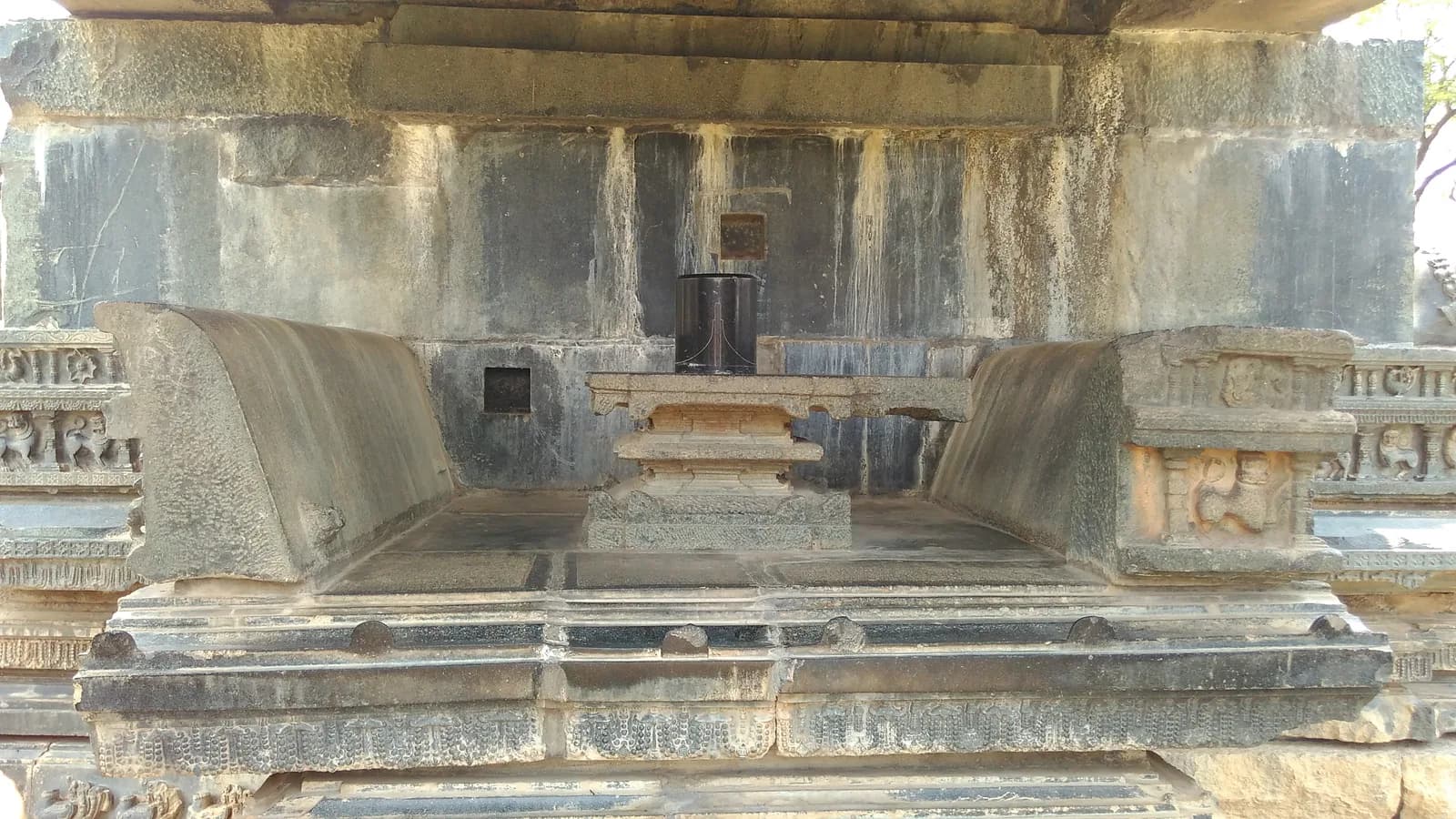
 © Wikimedia Commons
Warangal Fort & Thousand Pillar Temple
Fort
- Built 12th–13th century
- Built by Kakatiya dynasty
- Open See full schedule below
- Entry Indian INR 25 · Foreigner INR 200
- Best time October to March
About this place
Showing English while we prepare the translationWarangal Fort was the capital of the Kakatiya dynasty from 1163 until the Delhi Sultanate conquest in 1323. The fort had three concentric walls (now mostly ruined) and was famous for its monumental gateways. Of these, the four 30-foot Kirti Toranas — carved sandstone arches that once flanked the Swayambhu Shiva Temple in the fort's centre — are the most striking surviving Kakatiya art. The Government of Telangana adopted the Kirti Torana as the state emblem in 2014.
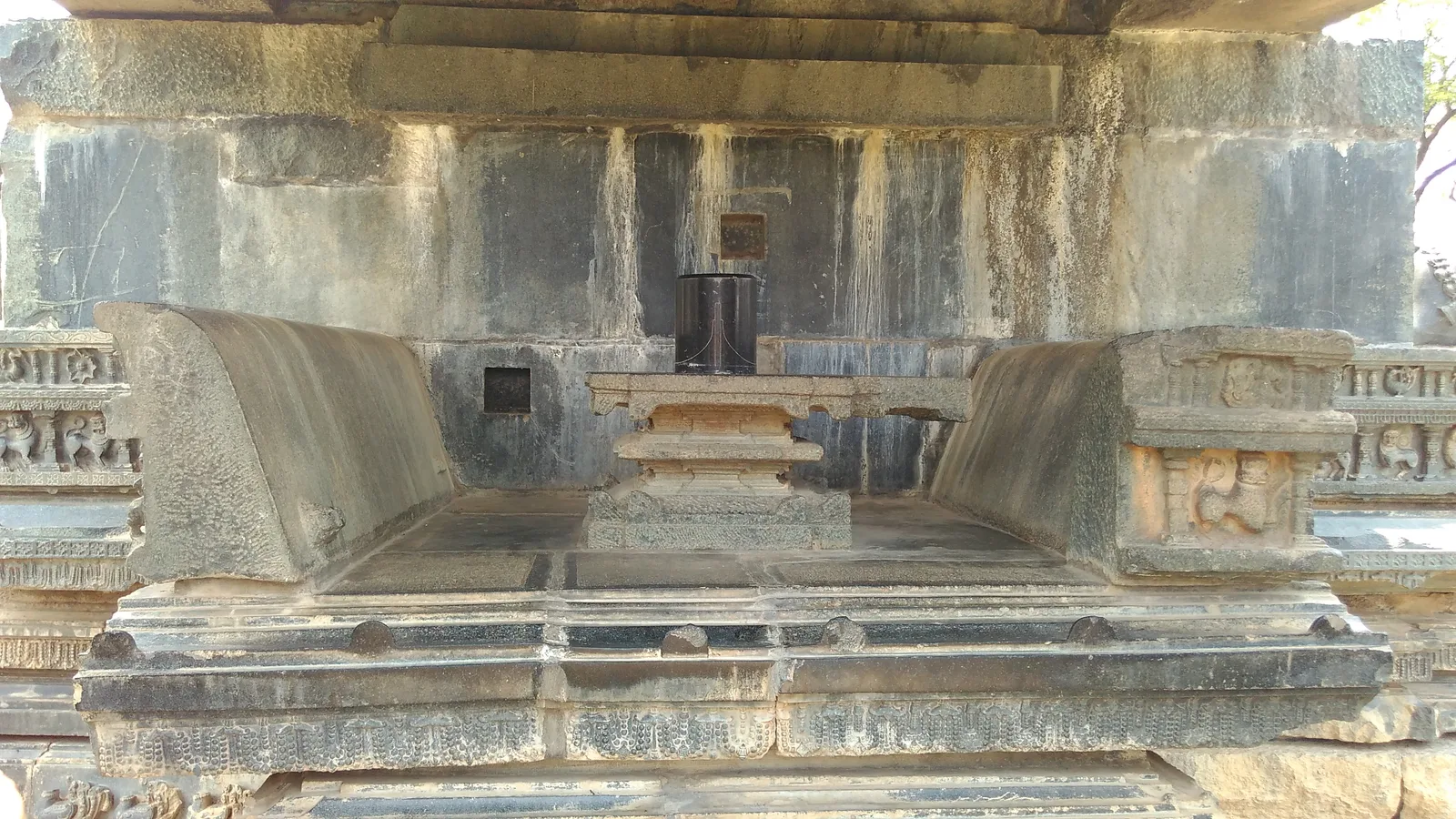
The Thousand Pillar Temple (Veyyi Stambhala Gudi) at Hanamkonda, 6 km from the fort, was built in 1163 by Kakatiya king Rudradeva. Despite its name, the temple has 1,000 carved pillars only in legend — the actual count is closer to 400, but the Trikutalaya plan (three sanctums to Shiva, Vishnu, and Surya around a central mandapa) is a Kakatiya signature. The Bhadrakali Temple, the Pakhal Lake (a 13th-century Kakatiya artificial reservoir 50 km away), and Ramappa Temple complete a 2-day Kakatiya circuit.
Photos
Location
Location Map
Hanumakonda, Telangana. Map data: OpenStreetMap, CARTO.
Local Facilities near Pincode 506005
Nearest pincode: 506005 · Hanumakonda
Plan your visit
Bus, accommodation and tour package options for your Warangal Fort & Thousand Pillar Temple trip.
These are affiliate links. We may earn a small commission at no extra cost to you.
RedBusad
Buses to Warangal Fort & Thousand Pillar Temple
Daily departures from major cities. AC sleeper available.
Search busesMakeMyTripad
Stays near Warangal Fort & Thousand Pillar Temple
Hotels and lodges close to the site. Walking-distance options available.
View hotels